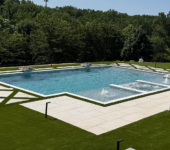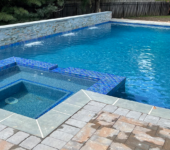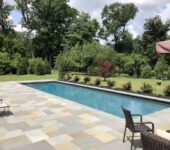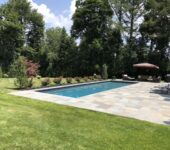
Preparing your pool for winter involves much more than putting on a cover. A complete pool closing helps protect plumbing lines, pumps, filters, heaters, skimmers, water quality, and other important components during months of cold weather and inactivity.
Arrow Pool Service provides professional pool closing and winterization for homeowners in Morton, Pennsylvania, and surrounding Delaware County communities. We bring decades of pool care experience to each appointment and adapt the closing process to the pool, equipment, plumbing layout, and winter cover already in place.
Our goal is straightforward: prepare your pool carefully, reduce the risk of preventable winter damage, and help create better conditions for reopening in the spring.
Protect Your Pool Before Winter Weather Arrives
Water expands when it freezes. When water remains inside a vulnerable pipe, pump, filter, heater, skimmer, or other pool component, that expansion can place pressure on materials that were not designed to withstand it.
Professional pool winterization focuses on removing water from areas where freezing could cause damage, preparing the pool water for an extended period of inactivity, and securing the pool with an appropriate winter cover.
For Morton homeowners, timing matters. Pool closing should take place after the swimming season ends but before prolonged freezing conditions become a concern. Waiting too long can make scheduling more difficult and may leave pool systems exposed during an unexpected cold period.
Closing too early can also create challenges, especially when warm temperatures continue. Warm water beneath a cover may encourage algae growth if the water is not properly cleaned, balanced, and treated.
The right closing date depends on current conditions, the pool’s use, the surrounding landscape, and the homeowner’s schedule. Our team can help you choose a practical closing window based on your pool and seasonal needs.
Why Professional Pool Closing Matters in Morton
An inground pool contains interconnected systems that must be handled in the correct sequence. The pump, filter, heater, chlorination equipment, salt system, skimmers, returns, plumbing lines, and cover all contribute to the condition of the pool during winter.
A professional closing helps address these systems as a complete unit rather than treating winterization as a single task.
Homeowners often choose professional pool closing because they want to:
• Protect plumbing and equipment from freezing water
• Avoid missing a valve, line, plug, drain, or accessory
• Prepare water chemistry for an extended period without circulation
• Secure a winter cover correctly
• Identify visible equipment or cover concerns before winter
• Reduce the work required before the pool can be opened again
• Gain confidence that the pool has been prepared by an experienced service team
Professional service is especially valuable for pools with heaters, salt systems, attached spas, water features, automatic cleaners, additional pumps, or complicated plumbing configurations.
What Can Happen When Water Remains in Pool Systems
Pool equipment and plumbing can hold water even when the pool is no longer circulating. Small amounts may remain inside low points, fittings, housings, valves, or connected lines.
If that water freezes, it may contribute to:
• Cracked plumbing fittings
• Split or damaged pipes
• Pump housing damage
• Filter damage
• Heater component damage
• Skimmer damage
• Loose or displaced winter plugs
• Leaks that become apparent when the pool is reopened
Winter preparation also affects water quality. Leaves, dirt, unbalanced water, and existing algae can continue to create problems beneath a winter cover. A pool that is covered in poor condition may require more cleanup when spring arrives.
A complete closing considers both freeze protection and water care.
What Is Included in Professional Pool Closing?
A professional pool closing typically combines water preparation, equipment shutdown, plumbing protection, winter treatment, cover installation, and a final review. The exact steps depend on the pool’s design and equipment.
Before service begins, it is important for the pool owner to disclose special features, equipment problems, access concerns, and the type and condition of the winter cover. This information helps the service team prepare for the appointment and identify work that may fall outside a standard closing.
Pool Cleaning and Water Preparation
The condition of the pool water at closing can influence what is found beneath the cover in spring. Before a pool is winterized, visible debris should be removed and the water should be in suitable condition for closing.
Water preparation may involve:
• Removing leaves and surface debris
• Vacuuming or arranging additional cleaning when needed
• Reviewing water clarity
• Testing and adjusting water chemistry
• Adding appropriate winter treatment
• Lowering the water level when required by the pool and cover configuration
The pool does not need to be drained completely. In most cases, removing all the water would be unnecessary and could create other concerns. The appropriate water level depends on the pool, plumbing, skimmer arrangement, and cover type.
We approach water-level adjustment as part of the complete winterization process rather than using one rule for every pool.
Pool Equipment Shutdown and Winter Protection
Pool equipment must be shut down and prepared for months without normal circulation. This may include the pump, filter, heater, chlorination equipment, salt system, cleaner equipment, and other connected components.
Water must be removed from areas where it can freeze. Drain plugs, housings, valves, and equipment-specific parts must be handled carefully. Equipment configurations vary, so winterization should follow the requirements of the actual system.
Pump and Filter Winterization
The pump and filter are central to pool circulation. During winterization, they are shut down and drained according to their design.
Pump preparation may involve removing drain plugs, clearing retained water, protecting vulnerable components, and reviewing the housing for visible concerns.
Filter preparation depends on the filter type. Cartridge, sand, and diatomaceous earth filters have different maintenance and winterization needs. Some filter elements may also benefit from separate cleaning before storage or extended inactivity.
If the pump has been noisy, leaking, losing prime, or operating inconsistently, tell our team before the appointment. Closing the pool does not correct an existing mechanical problem, but identifying the concern gives us a better starting point for discussing appropriate service.
Heater, Chlorination, and Salt System Preparation
Pool heaters and sanitizing systems also require component-specific attention.
A heater may retain water within internal passages. Proper shutdown and drainage are important because trapped water can be vulnerable during freezing weather. The heater’s condition, fuel source, plumbing, and manufacturer requirements influence the winterization process.
Traditional chlorinators must be emptied and handled carefully. Saltwater pools also require winterization even though they use a different sanitizing system. The salt cell and related components may require cleaning, inspection, disconnection, or protected storage depending on the system.
Saltwater does not prevent plumbing or equipment from freezing. The pool, lines, pump, filter, heater, and other equipment still require appropriate seasonal preparation.
Pool Plumbing Blowout and Line Protection
Clearing pool plumbing is one of the most important parts of winterization. The goal is to remove water from lines that could be damaged when temperatures fall below freezing.
Professional line protection may include:
- Shutting down the circulation system.
- Adjusting valves to isolate specific plumbing sections.
- Using appropriate equipment to move water out of the lines.
- Addressing skimmers, returns, cleaner lines, spa lines, and other connected plumbing.
- Sealing or plugging lines according to the pool’s configuration.
- Checking that protected lines remain isolated.
The exact method varies. A simple pool with one skimmer and two returns will not have the same requirements as a pool with an attached spa, waterfall, multiple pumps, cleaner line, or other features.
Skimmers, Returns, and Connected Lines
Skimmers and return lines connect the pool to the circulation system. They must be cleared and protected as part of the closing process.
Skimmer protection may involve lowering the water level, clearing the line, installing a winter plug, or using another freeze-protection method suited to the pool.
Return fittings are handled based on their location and plumbing layout. Connected lines for automatic cleaners, water features, spas, slides, fountains, or other accessories may require separate attention.
This is one reason a complete equipment and feature description is important when scheduling service. Additional plumbing can affect appointment time and winterization requirements.
Winter Chemicals and Water-Level Adjustment
Winter chemicals support water quality while the pool is covered and circulation is off. The treatment used should reflect the water condition, pool surface, sanitizing system, and expected length of the closed season.
Chemical treatment does not replace proper cleaning, balancing, or equipment winterization. It is one part of the closing process.
Water level must also be managed carefully. The correct level may depend on:
• Pool construction
• Skimmer design
• Plumbing layout
• Cover type
• Manufacturer requirements
• Whether the pool has an attached spa or other connected feature
A mesh safety cover allows precipitation to enter the pool, while a solid cover limits water entry from above. These differences can influence off-season water-level monitoring.
Winter Cover Installation and Final Inspection
A winter cover helps keep debris out of the pool, limits access, and protects the pool throughout the closed season. Proper fit and secure installation are essential.
During cover installation, the service team may review:
• Overall cover condition
• Fit around the pool perimeter
• Anchor condition
• Spring tension
• Strap placement
• Areas of unusual wear
• Openings or gaps
• Interference from raised features or surrounding structures
Once the pool is covered, a final review helps confirm that equipment, plumbing, accessories, and the cover have been addressed according to the pool’s configuration.
Existing Cover Condition and Replacement Concerns
A winter cover should be inspected before the closing appointment whenever possible.
Look for:
• Tears or worn fabric
• Frayed straps
• Missing hardware
• Damaged springs
• Bent or loose anchors
• Areas where the cover no longer fits securely
• Previous repairs that are beginning to fail
• Changes to the pool deck or surrounding features
A damaged cover may not provide the protection the homeowner expects. Let us know about known cover problems when scheduling so there is time to discuss repair or replacement options.
Our Pool Winterization Process
Every pool is different, but a well-organized appointment follows a logical sequence. Our process is designed to account for the pool water, equipment, plumbing, special features, and cover as parts of one connected system.
Before the Closing Appointment
Good preparation helps the appointment proceed efficiently.
Before our team arrives, homeowners should:
- Make sure the pool area and equipment pad are accessible.
- Remove personal items, toys, floats, and loose accessories.
- Identify the winter cover and related hardware.
- Tell us about an attached spa, water feature, cleaner line, heater, salt system, or additional pump.
- Report leaks, unusual noises, weak circulation, warning lights, or other equipment concerns.
- Discuss whether the pool needs extra cleaning before closing.
- Keep pets inside or away from the work area.
- Make sure gates, electrical controls, equipment areas, and water sources can be accessed.
If the pool is heavily covered with leaves, cloudy, green, or difficult to access, additional service may be needed before it can be closed properly.
During the Pool Closing
The exact work performed depends on the pool, but the appointment generally focuses on:
- Reviewing the pool and equipment configuration.
- Preparing the water and adjusting the level when needed.
- Shutting down and draining pool equipment.
- Clearing and protecting plumbing lines.
- Addressing heaters, salt systems, chlorinators, and other connected components.
- Adding winter treatment when included or selected.
- Removing or securing seasonal accessories.
- Installing and adjusting the winter cover.
- Completing a final review of the closed system.
Our team works carefully through the sequence because skipping one component can affect another. The pump, filter, heater, plumbing, and cover cannot be treated as unrelated items.
After the Pool Is Closed
A closed pool should not be ignored for the entire winter.
Homeowners should periodically observe:
• Cover tension and position
• Accumulated debris
• Water collecting on a solid cover
• Pool water level beneath a mesh cover
• Anchor or strap movement
• Visible damage after severe weather
• Changes around the equipment area
Do not walk on the cover or attempt to adjust unfamiliar equipment without proper guidance. Contact a pool professional when a cover moves significantly, water levels appear unusual, or a winterized component has been disturbed.
Off-season monitoring can help address small concerns before they become more difficult spring problems.
How Morton Homeowners Can Prepare for Pool Closing
Preparation does not require homeowners to perform the winterization themselves. It simply helps ensure that the pool is ready for professional service.
Pool Closing Preparation Checklist
Use this checklist before the scheduled appointment:
• Clear access to the pool and equipment pad.
• Remove loose pool accessories.
• Locate cover hardware and storage containers.
• Check the cover for visible damage.
• Remove excessive leaves and debris.
• Note any water-quality concerns.
• Write down equipment problems noticed during the season.
• Identify all pumps, heaters, spas, water features, and cleaner systems.
• Confirm that gates and control panels are accessible.
• Make sure the service team knows about recent repairs or equipment changes.
A pool that has recently received new equipment may require a different closing approach than in previous years. Always disclose changes to the plumbing, pump, filter, heater, automation, salt system, or cover.
Information to Share With Our Service Team
The more we understand about the pool before arrival, the better we can prepare.
Tell us if you have noticed:
• Water loss
• Air entering the pump
• Reduced return flow
• A pump that is louder than usual
• A heater that fails to ignite or maintain temperature
• Filter pressure problems
• Salt-system warnings
• Automation errors
• Loose fittings or visible drips
• Cracks or movement around the skimmer
• Cover tears or missing hardware
When mechanical concerns need further attention, our professional pool repair services can help evaluate pumps, filters, heaters, automation, plumbing, and other pool equipment.
Winterization for Different Pool Systems and Features
A standard inground pool may still have unique closing requirements. The number of pumps, plumbing arrangement, sanitizing system, heating equipment, attached features, and cover style all influence the work involved.
Inground Pool Winterization
Inground pools rely on permanent plumbing lines that run between the pool and equipment pad. Water may remain in skimmer lines, returns, cleaner lines, spa plumbing, heater connections, and other concealed sections.
The winterization process must account for:
• Pool shape and depth
• Number of skimmers and returns
• Equipment elevation
• Plumbing direction
• Valve arrangement
• Heater and sanitizing equipment
• Attached features
• Cover type
• Pool-surface requirements
An experienced service team evaluates the system as it exists rather than applying a simplified checklist.
Saltwater Pool Winterization
Saltwater pools require the same fundamental freeze protection as other inground pools. The presence of salt does not protect pipes, pumps, filters, or heaters from freezing.
The salt system itself also needs attention. Depending on the equipment, winter preparation may include:
• Shutting down the control system
• Removing or protecting the salt cell
• Cleaning scale from the cell when appropriate
• Draining connected plumbing
• Reviewing visible wiring and fittings
• Storing removable components safely
The pool water should also be tested and prepared for closing. Salt concentration is only one part of water balance.
Attached Spas, Water Features, and Additional Pumps
An attached spa, fountain, waterfall, deck jet, slide, cleaner system, or other feature can add plumbing branches and equipment to the pool.
Each connected feature may introduce:
• Additional suction or return lines
• Dedicated pumps
• Check valves
• Air lines
• Raised plumbing
• Separate drains
• Automation controls
• Equipment that retains water
These features should be discussed when the closing is scheduled. They may require more time and specific winterization procedures.
Winter Pool Covers and Off-Season Protection
The cover is the most visible part of a closed pool, but it is only effective when it fits correctly and remains in suitable condition.
Mesh and Solid Safety Covers
Mesh and solid safety covers offer different forms of winter protection.
A mesh safety cover allows rain and melted snow to pass through while blocking many leaves and larger debris. Because water enters the pool, the pool level may need to be monitored during the off-season.
A solid safety cover limits the amount of water and sunlight entering the pool. Depending on its design, water may collect on top and require removal with a cover pump.
Both types depend on proper fit, sound material, working hardware, and correct tension.
The right cover depends on the pool, surrounding landscape, drainage, maintenance preferences, and existing anchor layout.
Cover Repair, Replacement, and Fit
A winter cover may need attention when it no longer sits evenly or securely over the pool.
Common concerns include:
• Material deterioration
• Enlarged holes
• Loose stitching
• Damaged straps
• Corroded springs
• Missing anchors
• Poor alignment
• Changes to the pool deck
• Gaps around raised walls or features
Cover issues should be addressed before winter whenever possible. A cover that does not fit correctly may allow more debris into the pool or place uneven stress on the material and hardware.
Optional Winter Maintenance
Some homeowners prefer additional monitoring after the pool is closed.
Off-season pool care may include checking:
• Water level
• Cover condition
• Debris accumulation
• Water on top of a solid cover
• Equipment-area conditions
• Pool water appearance
• Anchor and strap position
Optional winter maintenance is separate from the original closing appointment. Availability and recommended frequency depend on the pool, cover, property, and seasonal conditions.
Why Morton Homeowners Choose Arrow Pool Service
Pool closing is a technical seasonal service. Homeowners need a team that understands the relationship between plumbing, equipment, water chemistry, and cover protection.
Decades of Regional Pool Care Experience
Arrow Pool Service has spent decades helping homeowners care for residential pools throughout the Greater Philadelphia region. We understand the practical challenges associated with seasonal pool ownership, from changing fall weather to winter cover care and spring reopening.
We serve Morton as part of our broader Delaware County service area. We do not present ourselves as having a Morton office. Instead, we focus on providing professional service to homeowners in the community and surrounding areas.
Detailed Care for Pool Equipment and Plumbing
Our approach goes beyond turning off the pump and placing a cover over the water.
We consider the complete system, including:
• Pumps
• Filters
• Heaters
• Skimmers
• Returns
• Salt systems
• Chlorinators
• Cleaner lines
• Attached spas
• Water features
• Additional pumps
• Winter covers
The scope of service depends on the actual pool. By understanding the pool’s configuration before work begins, we can prepare for the components that require attention.
Clear Communication and Service Continuity
A closing appointment is also an opportunity to note concerns that may affect future pool operation. Visible leaks, worn covers, aging equipment, filter problems, or heater concerns should not be ignored simply because the swimming season has ended.
Homeowners who want ongoing support can continue with seasonal pool cleaning and maintenance when the pool reopens. When a pool needs more substantial surface, structural, or design improvements, our team can also discuss custom pool renovation options based on the condition and goals for the property.
This continuity allows homeowners to work with one experienced company across routine care, seasonal service, repairs, and larger improvements.
Common Pool Closing Questions From Morton Homeowners
When should I schedule pool closing in Morton, PA?
Pool closing should usually be scheduled after regular swimming has ended and before prolonged freezing weather arrives. The ideal timing depends on water temperature, property conditions, pool use, and appointment availability.
Many homeowners begin planning their closing before fall is fully underway. Scheduling early gives you more flexibility and allows time to address water, equipment, or cover problems before the appointment.
What does a professional pool closing include?
A professional closing generally includes preparing the water, shutting down and draining equipment, clearing and protecting plumbing lines, applying winter treatment when included, installing the winter cover, and completing a final review.
Exact inclusions vary by pool and selected service. Additional pumps, attached spas, water features, heater maintenance, salt-cell cleaning, filter cleaning, heavy vacuuming, cover repair, and winter monitoring may require separate arrangements.
Does an inground pool need to be completely drained?
No. An inground pool is generally not drained completely for winter closing.
The water level may be lowered according to the pool, skimmer design, plumbing configuration, cover type, and winterization method. Removing too much water can create other concerns, so the correct level should be determined as part of the closing process.
Why do pool lines need to be blown out?
Pool lines are cleared to remove water that could freeze, expand, and damage plumbing or fittings.
The process must account for each line, valve, skimmer, return, cleaner connection, spa feature, and other plumbing branch. Once cleared, lines are protected according to the pool’s design.
Does a saltwater pool need to be winterized?
Yes. Saltwater pools still require complete winterization.
The plumbing and equipment remain vulnerable to freezing, and the salt-generation system may need specific care. The pool water must also be cleaned and balanced before the system is shut down.
Should the pool be cleaned before it is covered?
Yes. Leaves, dirt, algae, and other debris should be addressed before the winter cover is installed.
Covering a dirty or poorly balanced pool can contribute to staining, water-quality problems, and more difficult cleanup in spring. When the pool requires extensive cleaning, additional service may be needed before winterization can be completed.
What happens to the pump, filter, and heater?
The pump, filter, and heater are shut down, drained, and prepared according to their design.
Drain plugs and retained water must be handled carefully. Filter maintenance differs by filter type, and heaters may contain internal passages that require proper winter preparation.
Tell the service team about known equipment problems before the appointment.
Do I need winter pool chemicals?
Winter treatment is commonly used to support water quality while the pool is closed, but the exact chemicals depend on the pool and water condition.
Winter chemicals do not replace cleaning, balancing, plumbing protection, or equipment drainage. They work as part of a complete closing process.
Which type of winter pool cover should I use?
The appropriate cover depends on the pool shape, anchor system, surrounding landscape, maintenance preferences, drainage, and budget.
Mesh safety covers allow rain and melted snow to enter the pool. Solid safety covers limit water and sunlight but may require water removal from the cover surface.
The existing pool design and anchor layout should be reviewed before changing cover types.
How long does a pool-closing appointment take?
Appointment length varies by pool.
Factors include:
• Pool size
• Number of skimmers and returns
• Equipment configuration
• Cover type
• Water condition
• Attached spas or water features
• Additional pumps
• Heater and salt-system requirements
• Access to the equipment area
• Needed cleaning or maintenance
Providing accurate information when scheduling helps the service team plan appropriately.
Can I winterize my pool myself?
Some homeowners attempt their own pool closing, but the process requires suitable equipment, knowledge of the plumbing layout, and familiarity with each component.
The most significant risk is overlooking water in a line or equipment section. Homeowners with complex plumbing, heaters, salt systems, attached spas, water features, or multiple pumps often choose professional service for greater confidence.
What affects pool-closing cost?
Pool-closing cost depends on the size and configuration of the pool, number of systems being winterized, cover requirements, water condition, and selected optional services.
A pool with an attached spa, extra pump, water feature, heater, salt cell, damaged cover, or heavy cleaning needs may require more work than a simple pool configuration.
The service request should include complete pool information so the expected scope can be reviewed.
Can equipment problems be addressed during closing?
Some concerns may be identified or discussed during the closing appointment, but closing service and repair work are different services.
Repair availability depends on the problem, parts, appointment schedule, weather, and whether the equipment can be tested after the pool is shut down. Reporting the issue in advance gives our team the best opportunity to plan the next step.
Can I arrange my spring pool opening at the same time?
Spring opening can be discussed when closing service is scheduled or completed.
Planning ahead helps homeowners prepare for the next swimming season and reduces the chance of forgetting to schedule during the busy spring period. Opening needs may change over winter, so details should be reviewed again as the season approaches.
Schedule Pool Closing Service in Morton, PA
A properly closed pool is better prepared for cold weather, months without circulation, and the transition back to spring use. The process should protect more than the water. It should account for plumbing lines, pumps, filters, heaters, sanitizing systems, special features, accessories, and the winter cover.
Arrow Pool Service provides professional pool closing and winterization for Morton-area homeowners who want experienced help preparing their inground pools for the off-season.
When requesting service, tell us about your pool type, equipment, attached features, cover condition, known problems, and preferred closing window. The more information we have before the appointment, the more accurately we can prepare for your pool.
Schedule your Morton pool closing before the fall calendar becomes limited and give your pool the detailed seasonal care it needs before winter arrives.
 Winter Season Hours